Reading Images The Grammar of Visual Design
Gunther Kress and Theo van Leeuwen
"We believe that visual communication is coming to be less the domain of specialists, and more and more crucial in the domains of public communications."
page 3
"Visual language is not transparent and universally understood but culturally specific."
page 3
Showing posts with label research task. Show all posts
Showing posts with label research task. Show all posts
Monday, 19 January 2015

Monday, 24 November 2014
Otherness and the Gaze
'sex' is the physical anatomy of the person
'gender' is socially defined by what society expects to see
'essential-ism' is the standards that are expected
'The gaze' is what / how we look at things in mainstream society
'Otherness' is what is outside of mainstream and the minority group
Nan Goldin
she questions gender and sexuality
she believes cross gender is a 3rd gender
The Gaze
this is a cutlurally loaded look
we look at everything with preconceptions
the person who is looking has all the power
Male Gaze
this is about men's attitude to women and how women get represented.
there are preconceptions that are in place, typically women get represented as a 'damsel in distress' style character whereas the man is dominant in his role and he has the power. Women become objectified in their roles and are usually there for the men's visual pleasure
Stereotypes
- The War Hero
This is the stereotypical genre of the guy rescuing the woman
- The Cowboy
A pioneer of the western front this shows a glamorous version of events as history was very different to what is being shown
- WW2
This brought upon the new feeling that women are not damsels and that they can do what the men do, this was brought on by the women going into the workplace while the men were away
- The HomeMaker
This stereotype was forced to the forefront of society as after the war the men wanted their jobs back but the women did not want to leave, this stereotype showed women all the positive aspects of becoming a stay at home mum again
Laura Mulvey
A theorist who examines the gender in society, she says that women are being used as 'decorative' objects and that this is shown through the likes of the 'Miss World' competitions where the women shows off their physical attributes and represent themselves as perfect women.
Ideology
Marxist Terms - Karl Marx
what you know isnt real - you are told to know it
false consiousness
Das Kapital (1848)
commodity fetishism
cigarette ad / perfume ad
what is it selling? = the lifestyle, not just the product
Ads create mythical worlds
celebration, in florida
Victor Burgin
anti campaign
hollowness of mass media
John Berger
ways of seeing
ads and documentary are becoming tangled = hard to now tell difference
Paul Wombell
Han Haacke
Adbuster
these all use established channels to deliver new messages / they take existing adverts and change to images and text to create new meanings and show messages that people are going to understand because they understand the original context
Everthing is a product of its time
cultural factors, inside jokes = only make sense because people understand the history and the background info hidden within the images
Mini Task :
What happened in the 70's ?
This is a list me and the group I was with came up with:
Disco
Punk
Womens Lib
Cold war was ongoing
Vietnam War
Fashion = flares / afros / perms
Rocky Horror Picture show
Willy Wonka
Chainsaw massacre - the first one
Star wars - highest grossing film of decade
Grease - was made
Margaret Thatcher - first woman prime minister
Twin towers- tallest buildings
Stephen Hawking - discovered black holes
Protesting - image of the girl who puts the flower in the gun
Jimi Hendrix died
Floppy disc invented
Walkman invented
People were taking drugs
Revolutions
This was the decade of the lower classes pushing back against the government, political unrest and anger.
Monday, 17 November 2014
Image as Self
portrait : constructs/reinforces identity
Alec Soth
"Sleeping by the Mississippi" is a series which focuses on the people that visit the Mississippi banks.

painting : portrait / still life
objects have meaning : represent things about the people (for example that they are wealthy, literate)
animorphous : skull

Jan van Eycke
The Arnolfini Portrait is full hidden meanings: such as the oranges that connote fertility, the dog and the dark leather shoes representing wealth.This painting shows exactly how symbolism can be used and in the different ways.

Tina Barney
candid / tabloid
shows identity and surrounding location within her photography, the background helps reveal more about the person

Edward Sheriff Curtis
studied people / society, especially the Native Americans.

August Sander
social structure in Germany
objective - no info given on the person, we as viewers must make our own conclusions

Diane Arbus
appearance of people
she was not very technical but focused her efforts on the visual aspects

Nicholas Nixon
This photograph shows a close up of the photographers face, he has offered us a detailed look at his face through the use of his photography, it shows all the detail in his eye and he is not trying to omit details but rather highlight them.

Thomas Ruff
objective / scientific / "face as a mask"
shallow DOF, drawing the viewer in as these images were exhibited large scale

Andres Serrano
his reaction to the KKK
styled - atmospheric
invoke a reaction in viewers

Cindy Sherman
how women were represented : Gaze
she challenges the Male Gaze by placing herself into these positions and making a comment about the portrayal of women.

Steve Pyke
photographs groups of people but takes singular portraits, he has a series that focuses on Veterans

Djkestras
video portraits
15-22years old
the people are drunk or high
Also she did a series about teenagers going to the beach, showed them all in similar poses and locations, highlighting that people are all the same even though we do not realise it.

Monday, 10 November 2014
Photographic Message
what does the image denote / conote ?
Roland Barthes - photographic message - VLE and printout in book
The Rhetoric of the Image
(the meaning behind it )
camera angles
backgrounds
iconography (ie flags)
emmission - the image is being made
transmission - the image is being seen
reception - where the image is seen
trick effects photoshop, creates a new meaning/image
poses/objects contrasts, angles
syntax layout, text+photos
photogenia shows what cant be written

However the two men both want to be seen as working together their alone-ness is highlighted by the way they have been shown on different sides of the frame. The words chosen can be analysed themselves; they are going to go to war in order to stop death and destruction which is a juxtaposition of its self.
The low camera angle elevates the two men and makes the audience look up to them, furthermore the facial expressions have been chosen specifically to connote different messages; one of agression and commanding power, another slightly more neutral expression which shows calm reserve.
Decoding the Image
Is documentary a fact ?
I think that documentary photography is not a fact, it is just one persons viewpoint.
*Photography: a Critical Nature*
by Liz Wells
truthful record?
does the camera lie?
people believe that photographs are authentic because they do not understand the trick effects that are possible with the camera, they see it as a machine that can not be tampered with
Stephanie Sinclair
Too Young to Wed
images by themselves dont give a background story or context:

Without the context of this story the photograph denotes a young girl and a man sitting next to each other, if more information were offered the viewer would know that this young girl is being forced into marriage and it is her wedding day. The photograph is not lying but it is omitting certain details that would be helpful to understanding the photograph.
Roland Barthes
photographic message
press photography and its meaning
denoted + connoted message
connoted is heavily coded
how is it connoted ?
many things can give off connotations: layout, camera angle, facial expressions, stance, colours used...
Kevin Lamarque Reuters
Guardian image
- layout of flags - sarcasm/irony "working together" and the flags are mixed together
-facial expressions - aggressive/passive
'points of view' - have to understand different points of view not just your own
colours - represent all the flags

What creates meaning?
emission - what is put out
transmission- how it is put out
reception - how it is taken in
All these things affect how the viewer is going to react to what is being shown
Paul Graham
north ireland
small incidents of war + their impact
new way of communicating warfare

An-My Le
vietmanese - effects / causes of the image
kite festival - understand the conflict to understand the image, the kites are the symbols of the war

Simon Norfolk
execution grounds
beautiful image - with a dark undertone
Susan Meiselas
old images into the landscape
reengage community
^^^^^war photographers - looking for the bigger picture
Monday, 3 November 2014
Tourism, Landscape and Myth
Myths
creation of stereotypes by :
postcards / tourist brochures / landmarks
They show the glamorized version of the destination to attract tourists
Martin Parr
debunks myths
shows tourists responses to places
Small World (project) - tourists resorts
wider vision - society / culture / stereotypes
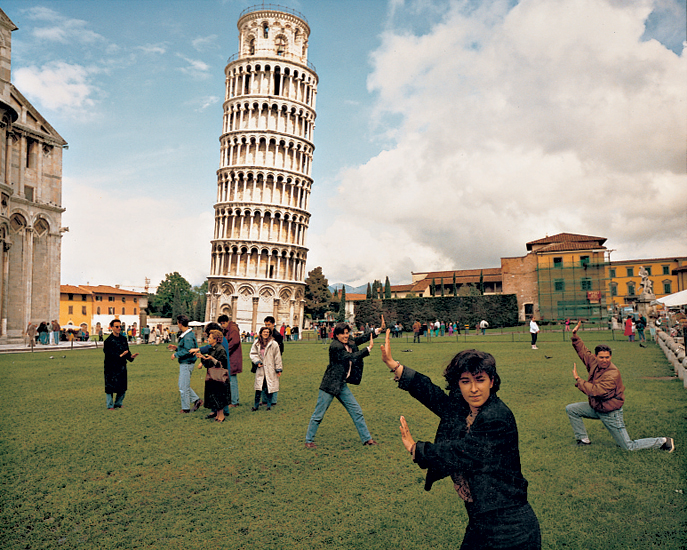 |
| From the series Small World |
In this image Martin Parr is showing how the tourists all react in the same way, he is making a humorous comment about them.
Stereotypes
places: picturesque = inspiring to make you go there
aesthetic / nostalgia
advertising = tiny fragment of a whole
unchallenging
activities / sites of culture
Photographers used to send work back home
natural but different / exotic
painters were hired to show clients in exotic locations
people / natives add a charm element
ideological
"the grand tour"
particular view = an ideal view = not true
not showing realities of life = romantic images
happy peasants however farm life was difficult
Josie Bland
showing yourself in the location - there is a need to prove you have been
Egypt - real / run down / everyday life
Tourists Gaze
inf by magazines
Tourists visit places with preconceptions in their mind, they expect certain things, such as the world to be glamorous and exotic, they do not realise it is some peoples home and it is not exotic to them.
Thomas Gainsborough
painted aristocrats to show off the clients wealth and land

P H Emerson
pictures of east anglian life
documents similar to painters style

Frank Meadow Sutcliffe
Whitby - he photographs the local area because he did not have transport
He finds beauty in the everyday, local area he lives and works in

John Constable

Peter Kennard
reinterprets John Constable

Grief Tourism
ground zero / auschwitz - why do people go?
Anselm Kiefer - interprets land - makes a point
Christian Boltanski - holocaust - photogravure
Victor Burgin - playing on war myths / aware of society
Ron O'Donnell
- makes sculptures on statements
waterfall
consumerism
Karen Know
museums - who is it designed for?
why do we go?
Martin Parr
iconography / myths of british culture
shows the reality

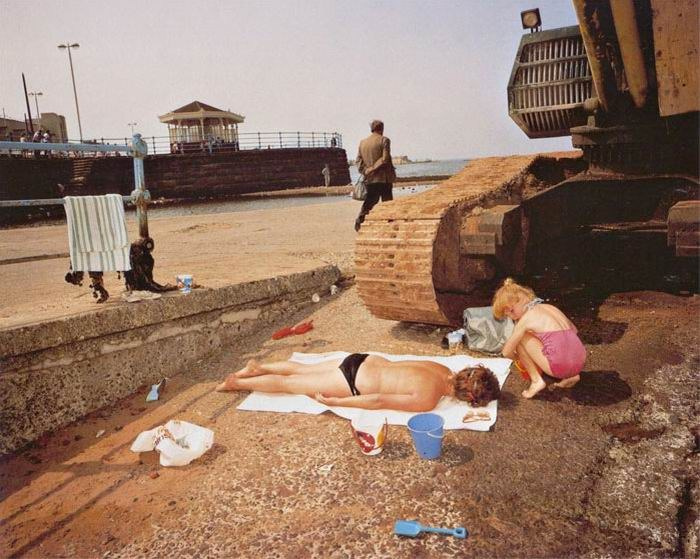
Myths are created by the tourism industry in order to draw attention to that particular desination and attract tourists, this will bring profits into the destination.
Nature of Photographs
*Nature of Photographs by Stephen Shaw*
Colour changes the atmosphere in the photograph because the eyes are lead differently around the image because the colour catches our eye not the subject, colours can be used to manipulate because different colours have different meanings and people associate them with pre ingrained connotations. The tonality of the colours (or saturation level) can also affect the mood that the photograph emits as a dull (desaturated) image gives off a more negative connotation than a brightly over-saturated one will.
Black and White photographs do not mean that the image is more real, however the connotation of B+W are that the photograph is more artistic and that it is 'real' because of the first images that were able to be made were B+W because of technical limitations.
Context will also affect the way that photographs are read, images seen in newspapers are often dismissed yet if the same photograph appeared on a wall in a gallery there would be a different reception received. Depending on the subject the location of the photograph can be equally important as the photograph.
When people view an image they do not think of what has been omitted; these omissions are just as important, as if they had been included would the entire meaning of the photograph change? Would the atmosphere be different? Have these elements been omitted just so that the photographer can reinforce their own point instead of showing the whole picture/story?
There are two different types of framing: passive and active. A photograph with a passive framing means that the main focus is in the centre of the image and there is negative space or just small background elements against the edge of the framing. An active frame is a photograph that leads the viewers eye outside of the photograph, this could by placing the model on the edge of the photograph.
Robert Adams
His works show how that man is affecting the shape and lay of the land.

Thomas Joshua Cooper
emerging / submerging / emerging
The work that he does are beautiful commentaries on the nature that surrounds us

William Eggleston

Stephen Shore

John Davies
he influenced :
The Bechers
"conceptual artists"
taught at Düsseldorf school
these people were taught at the school :
Andreas Gursky
Axel Hutte
Thomas Struth
Colour changes the atmosphere in the photograph because the eyes are lead differently around the image because the colour catches our eye not the subject, colours can be used to manipulate because different colours have different meanings and people associate them with pre ingrained connotations. The tonality of the colours (or saturation level) can also affect the mood that the photograph emits as a dull (desaturated) image gives off a more negative connotation than a brightly over-saturated one will.
Black and White photographs do not mean that the image is more real, however the connotation of B+W are that the photograph is more artistic and that it is 'real' because of the first images that were able to be made were B+W because of technical limitations.
Context will also affect the way that photographs are read, images seen in newspapers are often dismissed yet if the same photograph appeared on a wall in a gallery there would be a different reception received. Depending on the subject the location of the photograph can be equally important as the photograph.
When people view an image they do not think of what has been omitted; these omissions are just as important, as if they had been included would the entire meaning of the photograph change? Would the atmosphere be different? Have these elements been omitted just so that the photographer can reinforce their own point instead of showing the whole picture/story?
There are two different types of framing: passive and active. A photograph with a passive framing means that the main focus is in the centre of the image and there is negative space or just small background elements against the edge of the framing. An active frame is a photograph that leads the viewers eye outside of the photograph, this could by placing the model on the edge of the photograph.
 |
| Tom Sparks (an example of passive framing) |
 |
| Darren Rowse (an example of active framing) |
Robert Adams
His works show how that man is affecting the shape and lay of the land.
Thomas Joshua Cooper
emerging / submerging / emerging
The work that he does are beautiful commentaries on the nature that surrounds us
William Eggleston
Stephen Shore
John Davies
he influenced :
The Bechers
"conceptual artists"
taught at Düsseldorf school
these people were taught at the school :
Andreas Gursky
Axel Hutte
Thomas Struth
Monday, 20 October 2014
Mass Communication and Gender
Roland Barthes
spectator theory
rhetoric of the image
types of messages
- denoted (what is being shown visually)
- connoted (what this makes me think about)
- linguistic (what words are being used)
Stuart Hall
Three different hypothetical codes within images are:
dominant - viewer can agree with what is being shown
negotiated - the viewer understands what is being shown
oppositional - the viewer disagrees with what is being shown, to do this they must first understand it
Gramsci
Why do we use the internet?
There are many purposes for using the technology and social media that we as consumers do; there is information readily available at our hands, connecting on social media sites help us to not feel as alone however the more we use social media the more alone we feel, the entertainment available helps to fulfil our lives with daily humour and removes the feeling of 'doing nothing'
Blumler and Katz
The audience have needs which are fulfilled by the interactions they have with social media websites and tv, watching certain programmes draws friendships closer as they have mutual interests, it also serves an a form of escapism, many people get drawn into the fantasy world and forget their own lives and problems for a short period of time.
Stephen Heath
He proposed that many people enjoy the cinema because it is imitating the dreams that people have and is a form of escapism from real life. He says that people can accept the absurdity in film because the qualities are almost dream-like; sitting comfortably in a dark quiet room watching an unrealistic scene is somewhat permitted because the atmosphere reminds people of laying asleep and dreaming.
Monday, 13 October 2014
Image as Network
Look up from anti-social network
A short video showing the effects and missed opportunities in life when you become addicted to your mobile phone.
Children are now now being taught in classrooms by using technology, it has replaced kinetic teaching and activities and shown children that they need technology, it can be useful as more information can be accessed however it can also make children lazier because they are not being active.
Young adults are early adopters of new technology, they will latch onto the latest trends and want to be able to access them from any location, more and more colleges and universities are adapting their methods and available technology because students are taking new technology into universities with them and not being able to use them because the facilities are not yet available.
The current and future students will continue to bring change to institutions as growing up surrounded by technology means that using it comes naturally to many and that we have self taught ourselves how to understand it.
How Safe is the Internet?
Do we really know what is happening online? No we don't, that doesnt mean we should not use it though, it means we should be protective of our data and information that we share over social media websites. There are many fun outlets available online that are not dangerous; for instance educational videos on YouTube, iTunes is a large collection of music and eBooks that are available to download, many of which are useful and educational. Computer gaming can also help to teach children as they do not feel as though they are being taught as it is within a game.
Digital Native:
grew up surrounded by technology
not afraid of it
can adapt to new technology without aid
Digital Immigrant:
grew up before technology was so integrated with society
have to be taught about technology
afraid of the new and changing society
kids have a passion for learning
let them teach themselves
Sugata Mitra
"granny cloud" is the term used for the project in which retired or ex teachers can connect online with students who do not have many facilities in their school and help them to learn. This can involve teaching students in another country learn and become active as the technology would be new to them and they would be interested.
https://grannycloud.wordpress.com/
"hole in the wall" experiments - 6-13year olds teaching themselves to use a computer without any interaction. Set up looking like a cash machine, a screen and a trackpad are all that are offered out of a wall in a remote village where nobody had used technology before, one child notices the new device and begins to experiment with it, it then gains more popularity as activities are being found that they can use on the computer.
Ken Robinson
He thinks that technology is key to unlocking the classroom. This could be true as more and more children are getting access to technology
Access:
Is technology a curse or a blessing ?
What? where? what do I do with it?
What happens if I am denied access?
How reliant am I on technology?
Communication skills
Some young children are struggling to learn to communicate with other people as they are using technology which will do it for them. They do not need to learn to communicate if they have a device which will do this instead, this means young children are becoming lazy not just in exercise and playing but in learning speech.
Monday, 6 October 2014
State of Fashion
Richard Avedon
"In the American West"
This series focuses on the middle class citizens, he creates evenness throughout the series by photographing them in the same style and all with a white background, he removes information about them by not revealing their location.
Steven Meisel
Working for Italian Vogue he can "demonstrate the genre's capacity to reference, shift, and reinvent" fashion photography.
Nick Knight
"created the first exploration into the possibilities of fashion on the Web," by launching a website (SHOWstudio.com) that hosts all of the latest news about fashion and the latest "fashion films" which are released by companies as promotional films, some films were created by the photographers assistants which featured the models between shots but other films were directed and shot by hired film makers.
(above quotes taken from the article "State of Fashion" by Charlotte Cotton)
Bill Brandt
He is an influential photographer who documents the life of the working classes. He brings the subjects personality to the forefront of the photograph, showing them in a natural setting, adding more information to the photograph by placing them in a setting.
David Bailey
portraits in square format
simple set up
full frames
represents who the person is
different camera angles / heights
buys cheap props - makes sure they represent the person ( not the cheapness - the prop)
He photographs pairs or groups - how are they represented? together or separate?
 |
| The Kray Twins |
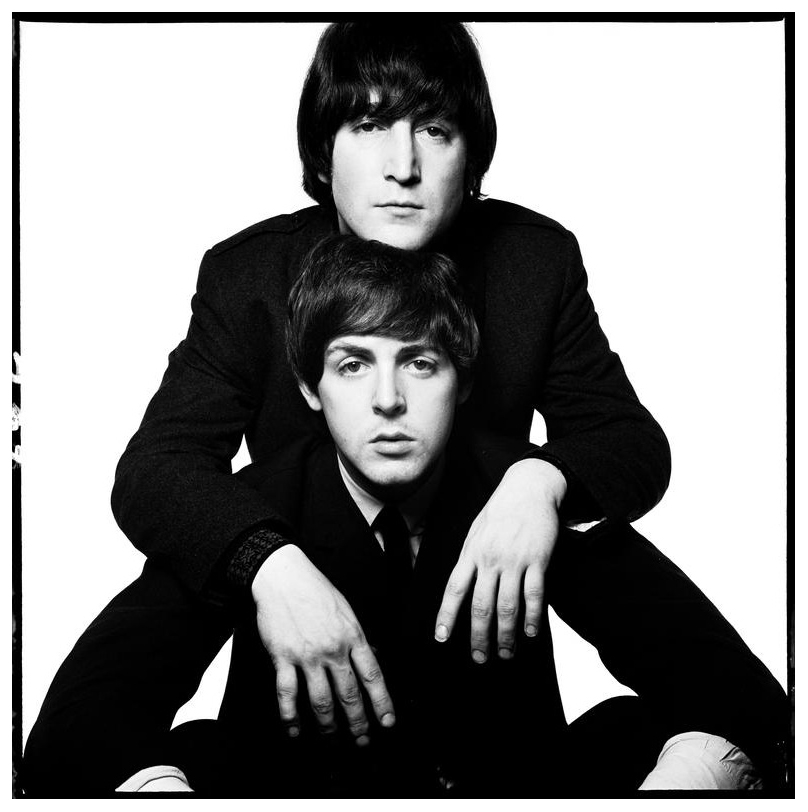 |
| The Beatles |
British New Wave
Useful Information:
british cinema book
intro to film studies (french wave)
best of british
films and national identity (swinging 60's)
Susan Sontag 'on photography'
Realism:
Is realism 'real' or is it all a set up made to appear 'realistic', I feel that it is only 'realistic' as many times in films and art it is a glamorized version of real life, it does not show the brutality or horrors that are in life but shows the positives which people want to be reminded of, 'real life' does not choose to be glamorized and does not hide its negative features.
Challenges to realism:
Americanisation - Hollywood and the creation of the 'Star System' where actors were idolized and became celebrities, they were used to draw the audience in and allow the audience to connect more with the scenes within the movies.
Commercialisation - Which led to the decline of traditional values.
Anxieties - The current youth was all 'post war babies' which meant they were worried about another war happening yet they were celebrating the end of the war and freedom of life.
cold war / Hbomb / spies / communists are a few things that the people were afraid of
The youth would grow into the peace movement in 60's because they were reacting to the horrific events they had lived through and did not want to witness again.
Social problem films
(kitchen sink dramas)
Having lived through the war the youth were not watching escapism films, but were interested in the realism films that showed how life could be for them, even if it was a glamorized version of life.
'Look back in anger'
filmed in natural recognisable locations that the audience could easily associate with.
The audience were able to identify with characters as unknown people were cast as actors, this meant that without the celebrity status the audience connected to the characters.
New wave:
almost punk like, rebelling, stereotypical 'angry young man'
1950's
birth of the generation gap, before this children stayed children until they were expected to grow up and become adults, there was no middle ground where the children explored different avenues
youth culture - music / fashion, these became more readily available and luxurious after the war, there was a target audience for teenagers as they changed their style into their own
teenagers were 18/19/early 20's years old instead of the younger teens that are becoming teenager in this society
TV - teens went to cinemas instead of sitting with the family to watch TV
New Wavers
underage sex - pill has just come out
adultery - mixed race r'ships, homosexuality
change from lower to higher classes (look back in anger)
John hill 'sex class and realism'
book
Documentary Movement
- grainy
- handheld
- Black and White
John Grierson
documentary is creative / poetic / beautiful / real
woodfall studio - new wave studio
Alan Lovell
criticised movement:
" how can you be creative if you have to be real? "
" does having an education affect your ability to be a director? "
French New Wave
revolution of cinema / anti hollywood
Italian New Wave
neo realist
Wednesday, 26 February 2014
1970's to present
Don McCulin
He is most famous for his war photography however he has also documented Bradford and what was happening socially and economically. He has said that he has just wandering when he reached bradford and because the people were warm and more welcoming than in other places he stopped wandering and rediscovered him self after the wars that he had seen.
“So much of my war reporting had involved watching national identities take shape that I began to ask myself who I was. What were the English and what did they represent? What for that matter did I represent? ” (McCullin, 1990).
Martin Parr
He was an innovative and fresh documentary photographer who used colour to document the English seasides and the people who visited them. Before Parr the only time colour had been used is in family snapshots and he revolutionised photography.
He not only used colour but used black and white photography while he was showing us the inside of churches and the people while they are praying and singing hymns. I think he was used black and white because of his influence and mentor Tony Ray-Jones and also because I think colour could have been a distraction from letting the viewer see what the subject is doing as the colours could have been overwhelming.
Tuesday, 18 February 2014
1950-60's
Advertisements in this time became more creative, showing witty slogans and logos as well as information about the product. Advertisements were much more sexist and racist than those seen today as the segregation was still happening and this behaviour was seen as normal.
Vehicle advertisements

Companies (such as Chevrolet) sold their cars by focusing on the grand size of the vehicle and showing the car with passengers who were enjoying the ride, many of the backgrounds show wide open rural landscapes and nearly all of these were created by illustrations as advert designers did not feel that photography could convey the same message.

The exception to this rule is Volkswagen who's selling point is the benefits of having such a small car that they have created. The advertisements differed from the typical in every way: they showed their product small in the frame, there was no background detail as it is all a plain white studio style background, and the images were a photograph not an illustration. Their selling point was "think small" which was a complete opposite of what the message was in other brands, one theory is that the slogan of this advert was reassuring to some Americans that they could be themselves and did not to change with the time.
Coca Cola
The segregation in America meant that there was often only white people portrayed in the advertisement, coca cola was an exception to this rule as their adverts featured jazz player Raymond Loewry. Either the creators of the advertisement or the manager of the company did not believe in segregation or they realised the potential target market in advertising specifically to different races.
Sexualism


Advertisements had more creative freedom than modern adverts are allowed to show, many advertisements in the 50-60's are obviously over sexual.
Sunday, 9 February 2014
Second world war and the 1950's
Margaret Bourke-White

She photographed during many wars across the world, but she is most well known for her photographs that were taken inside the concentration camp in Germany as the American troops liberated the prisoners. Her photographs appeared in Life magazine in may 1945.
Strikingly powerful and moving images they show the atrocieties that the prisoners have suffered though and the reaction of German civilians who lived local to the camp.
Bourke-White shows the terrified faces of prisoners lined up behind the barbed wire that is fencing them in, the simple inclusion of the wire creates negative connotations of being trapped behind it and unable to escape.
Alfred Eisenstaedt

Peace at last : V-J day, times square,August 14, 1945

New York, Penn Station. 1944
This photograph captures a moment between a couple who are saying goodbye, many images taken during the war show this same moment but different couples, in many of which the soldiers did not return home.
In the background of the image there are also other woman who have gathered to say goodbye to their loved ones, the way the background has been filled creates a connotation that the whole station is filled with goodbyes and loved ones, it is an image many of the people could relate too as they were also watching their loved ones depart for war.
Bernard Hoffma

A woman readjusting her goggles before she starts working, this image shows a different side to the war; women became workers because the men had been sent to war.
During the war the factories and farmlands still needed people to work on them so the women were filling these roles. Before this women had had gender specific jobs such as shop work or tailoring or had become stay at home wives and mothers.
Tuesday, 21 January 2014
1930's USA
The war in America meant that wheat was in high in demand and the prices were high, much more soil was being plowed in order to keep up with the demand for wheat however In the 1930's a long drought led to farmers not being able to plant and grow crops, all of the loose soil that was left was turned into dust cloud storms that blew across whole towns and cities, the whole sky was covered with the soil and the photographers that were commissioned by Roosevelt to photograph the Dust Bowl show the dust clouds and the effects of the depression.
This photograph is a set of five images that have been taken of a woman (Florence Owens Thompson) and her family, one of the images captions tells us that she has seven children although not all of them are in the photographs.

Dorothea Lange
 |
| Migrant Mother Series. Woman with children in a tent. Nipomo. California. 1936 |
I saw and approached the hungry and desperate mother, as if drawn by a magnet. I do not remember how I explained my presence or my camera to her, but I do remember she asked me no questions. I made five exposures, working closer and closer from the same direction. I did not ask her name or her history. She told me her age, that she was thirty-two. She said that they had been living on frozen vegetables from the surrounding fields, and birds that the children killed. She had just sold the tires from her car to buy food. There she sat in that lean- to tent with her children huddled around her, and seemed to know that my pictures might help her, and so she helped me. There was a sort of equality about it. (From: Popular Photography, Feb. 1960).
This photograph is a set of five images that have been taken of a woman (Florence Owens Thompson) and her family, one of the images captions tells us that she has seven children although not all of them are in the photographs.
An interview with Thompson tells us that she was not happy with what happened with the photographs as the information given with photographs is incorrect.
Walker Evans
 |
| Tenant farmer family. Hale County. Alabama. 1936 |
Evans is a widely known photographer who has photographed a family in their home. The man and wife (Floyd and Allie Mae Burroughs) were farmers who leased their belongings from the landowners, as the depression and drought started the crops they were producing did not cover the cost of living and they slowly started getting into debt.
The photograph shows them in one room in their house and it makes the house feel small and the family look as though they are living in poverty; this is further helped by the sad and worn out faces of the family and the clothing they are wearing.
Arthur Rothstein
In this photograph a farmer and his sons are heading for cover from one of the dust storms, they look to be heading towards a run down wooden shed which will not provide a lot of shelter from the dust; even the precautions taken by families in well kept houses did not keep the dust out.
Within the image the landscape is baron and desolate, this is a clear representation of many farms across the southern plains of America and it is a photograph many would relate too at the time.
Saturday, 11 January 2014
1900-1920
Richard Polack
A photographer in the 20th century he takes very strong influence from the works of Vermeer and Pieter De Hooch
 |
| Artist and His Model |
Artist and his model is a painting with very strong influence coming from Vermeer's painting The Art of Painting, both paintings have similar interior design (flooring, chandelier and the curtain) and although different the positioning of the subjects are very similar.
 |
| The Art of Painting |
Edward Steichen

His photography journey started when he took his work to Alfred Stieglitz and three of his photographs were bought. Together with Stieglitz the 'Little Galleries of the Photo-Secession' were started and many of his works were shown in this gallery that was held in Steichen's studio. His work was mainly posed portraits however he also photographed landscapes and a documentary of a horse racing venue.
Eva Watson Schutze
Schutze was another founding member of the Photo-Secession and often her work was presented and exhibited in the 291 gallery. Her clients enjoyed the composed,romantic striking figure of her portraits.
Anne Brigman
She photographs in a pictorialist style; female nude figures in landscapes. She said that she wanted the female figure to become part of the landscape not just apart from it but inside it. She spent years caring for the same trees that she photographed many times. Her work was invited to be part of the Photo-Secession by Alfred Stieglitz and it is easy to see why; Stieglitz wanted to show that photography can be an art form and Brigman's work is very artistic.
Wednesday, 18 December 2013
1920-1930's in Europe and Russia
The Russian civil war was between the red army and the white, both had propaganda however the success was varied between the sides. The red army was much more organised and had a strong clear message in their posters whereas the white army was disorganised and their support was more dispersed than the red army so the red's were able to reach more audience as they took control of influential cities and towns.
El Lissitzky

Beat the Whites with the Red Wedge
El Lissitzky is the creator of the poster that was used as propaganda for the Red army in the Russian civil war between the Red and the White army.
By the positioning of the shapes and the way the red wedge dominates the image and the position of it taking over the white circle it is possible to infer that El Lissitzky was creating a positive piece of propaganda supporting the Red army (Bolsheviks)
The constructivist style that he has created this poster in uses geometric shapes to convey
Alexander Rodchenko

Rodchenko was a Russian Constructavist who combined typography with photography and printing coloured blocks, to create photomontages, his most well known poster is an advertisement for books and this has been influential in many aspects as the album cover for Franz Ferdinand shows.
Subscribe to:
Posts (Atom)